Seller guide
Your Blueprint to Selling Success
How your home gets in front of the buyers who will actually pay for it — what we do, what it costs you, and how you can walk away if we do not deliver.
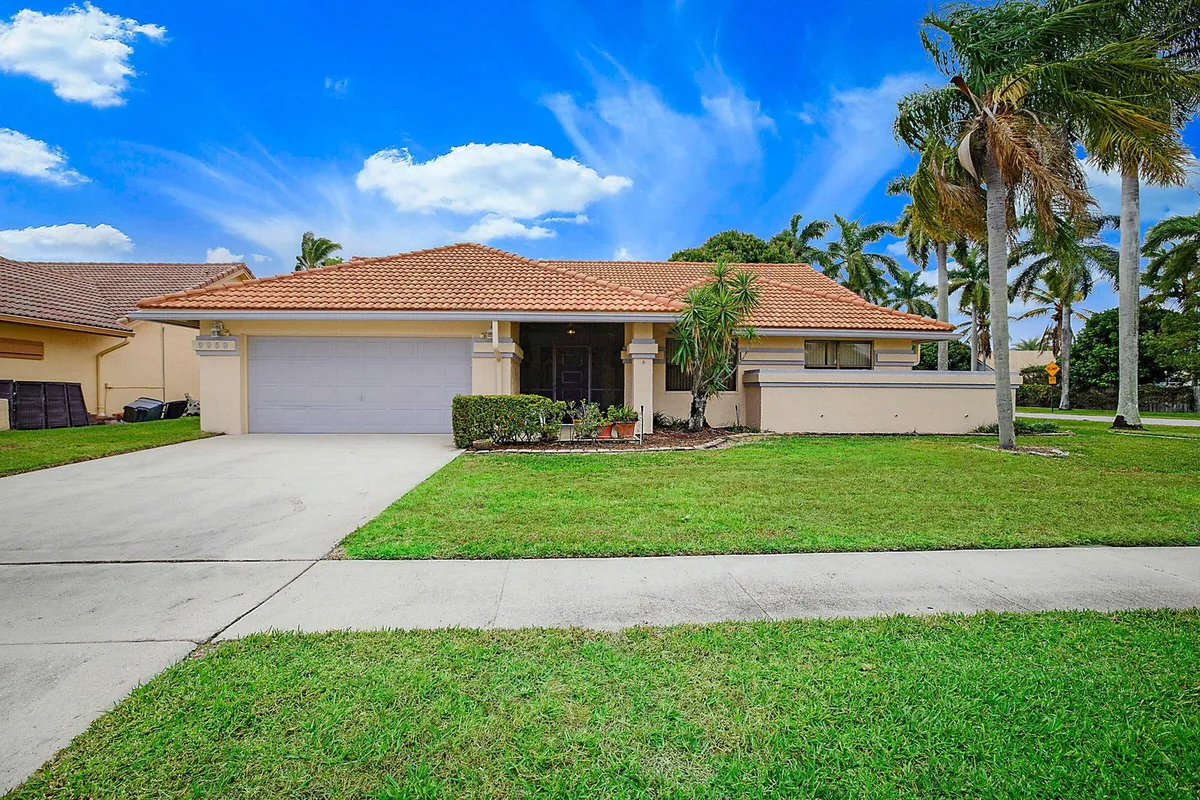
One question worth asking every agent you meet
Once my home is in the MLS, what do you do next that the other agents in this county are not doing?
Entering a property into the MLS takes a few minutes, and it pushes automatically to Zillow, Realtor.com and hundreds of other sites. Every licensed agent can do that much. What happens after that is the entire difference, and it is the part worth interrogating — with us and with anyone else you interview.
Most listing presentations are a list of promises. This guide is deliberately not that. It shows what we actually do, names the parts most agents leave vague, and tells you exactly how to end our agreement if we do not perform.
Who you are working with
You are hiring the owners of the brokerage, and the team that works alongside them, not a salesperson who reports to one.
Gia Freer — Broker of Record
Florida broker license BK689801. Gia holds the broker license that PBP Real Estate operates under, which means every listing this brokerage takes is her professional responsibility. She leads our sales side and is your point of contact from the listing appointment through closing: pricing, photography, showing feedback, offer review and negotiation all come back to her, with our team executing behind her.
Grant Freer — Owner and Broker Associate
Florida broker license BK3077984. Grant came to real estate from accounting, finance and operating businesses, and he builds the systems behind the brokerage: the marketing infrastructure, the data, and the automation that makes our written promises keepable. On your transaction he is the second set of eyes on numbers and terms.
The story of your home: two ways to list the same house
Your home is not a set of specifications. Read these two descriptions of an identical property and decide which one you would drive across town to see.
The quick way, which is what most listings say
This is a 3 bed / 2 bath home with 1,800 square feet in Boca with a newer kitchen. Come see it.
The right way: the same house, told properly
This fully renovated home has 3 bedrooms, 2 bathrooms and a 2 car garage. The open floorplan and large windows make for a bright, spacious home built for entertaining. The gourmet kitchen has new stainless appliances, quartz countertops and bartop seating for three. Both bathrooms have been meticulously remodeled with quartz and stylish finishes. Polished marble runs through the living areas, wood flooring in the bedrooms, crown molding throughout. And the private backyard has a pool, a covered patio, and enough grass left over for a football game at your next cookout.
Same house. Same price. Same photographs. The MLS allows a description of considerable length. Most agents write three lines anyway, because writing the long version means visiting the property, asking questions and doing the work. Buyers read the description. When they can picture a Sunday in your kitchen, they book the showing, and they arrive already wanting it.
The marketing plan: what happens after you sign
In order, and none of it optional.
01 Price it against the real competition
A market analysis of what has actually sold, what is under contract, and what is sitting unsold nearby, then a recommended range with the reasoning shown.
02 Professional photography, paid by the brokerage
A professional photographer shoots the home before it goes live, paid for by PBP Real Estate. Photos are the first showing, and almost every buyer takes it on their phone.
03 Write the story of the home
A long-form MLS description built from the owner’s own knowledge of the property, rather than the three lines most listings carry.
04 Enter it in the MLS correctly and completely
Every field, every feature, full remarks. From the MLS the listing syndicates automatically to Realtor.com, Zillow, Trulia and hundreds of other sites.
05 Professional sign, lockbox and a text-for-info rider
Most drive-by buyers will not call an agent. A text rider sends them photos, price and details in seconds, and identifies who is interested.
06 Feature it on our own website
The home is presented on PBPrealestate.com without third-party layout limits, with inquiries routed straight to the brokerage.
07 Publish it across our own social channels
The home is posted to the PBP Real Estate Facebook and Instagram audiences, where local buyers, past clients and neighbors already follow us.
08 Email the market
The listing goes to our own database of buyers, past clients and area owners, and to the agents most likely to have a matching buyer.
09 Work the agents who matter
We contact agents who have recently shown or sold comparable homes nearby, because their buyers are already looking in that price band and may still be unsatisfied.
10 Follow up on every showing
Feedback is requested and passed to the seller, including the unflattering kind. Patterns in feedback are the earliest signal that something needs to change.
11 Report to the seller on a reliable schedule
Market changes, new competition, price movements and current position, in writing, backed by a written communication guarantee.
12 Present every offer, then manage the contract to closing
All offers are presented with analysis of the terms behind the number, because net proceeds rather than headline price is what matters. After acceptance every deadline, deposit, financing update and title step is tracked and confirmed in writing.
The part that actually separates agents. Steps 08 through 11 repeat every single week for as long as your home is on the market. Almost every agent does something in week one, because week one is exciting. Consistency in week six is where most listings quietly go cold, and it is the reason we tie our reporting to a written guarantee and run it on a system instead of on memory.
Pricing: buyers set the price, we only position it
No agent can tell you what your home is worth. Your home is worth what a ready, willing and able buyer will pay for it, and buyers decide that by comparing yours against everything else available in your price band on the day they shop.
The cost of testing a high number first
Overpricing rarely produces a high offer. It produces silence, and silence is expensive, because your listing spends its most valuable weeks being used as the comparison that makes another home look reasonable.
| Weeks on market | What is happening |
|---|---|
| 1–3 | Peak attention. Every buyer already watching your neighborhood sees your home, and agents with active buyers bring them through. This is when your best offer is most likely to arrive. |
| 4–8 | The active pool has seen it. New inquiries slow to the trickle of buyers newly entering the market. |
| 9+ | Buyers and agents start asking what is wrong with it. Days on market becomes the story instead of the property, and offers arrive lower than the number you would have taken in week two. |
A price reduction later costs more than the right price now, because by then you are negotiating against your own listing history rather than against the comparable homes.
What to expect once you are live
- You will hear from us on a schedule. Every 7 to 10 days at the outside, in writing, whether the news is good or not.
- You will hear about new competition. When a comparable home lists near you, or a competitor cuts its price, that changes your position.
- Showings are scheduled through ShowingTime with the notice you have specified. Please keep confirmed appointments if you can; a buyer turned away at the door rarely comes back.
- Cancellations and no-shows happen. It is maddening after you have cleaned the house, and it is not a signal about your home.
- Prepare the house the same way every time. Lights on, blinds open, counters clear, pets secured or out.
- Feedback will sometimes sting. We pass it on anyway, including comments about price and condition. You cannot respond to a market you are not hearing accurately.
What you control
Not in your control
- Mortgage rates and buyer financing conditions
- How much competing inventory comes to market
- The economy and the season
- Your neighborhood and your lot
Entirely in your control
- Your asking price
- The condition and presentation of the home
- How accessible you make it for showings
- Which offers and terms you accept
- Who you hire to market it
When a home sits unsold, the cause is almost always in the right-hand column rather than the left. That is the encouraging part: the right-hand column is the one that can be changed.
Two promises, in writing
Guarantee one: communication
We will contact you with an update on your listing every 7 to 10 days for as long as your home is on the market, by email, text or phone, whichever you choose. That is a floor, not a target. If we fail to do it, you may cancel the listing agreement without obligation.
Guarantee two: easy exit performance guarantee
If you are not satisfied with how we are marketing your home, you may cancel the listing agreement in writing at any time before we present you with an offer, at no cost and no obligation: no cancellation fee, no marketing charges, no commission.
The exact terms are in the guarantee documents you will sign. Where this summary and a signed document differ, the signed document governs.
The questions sellers actually ask
How long is a listing agreement with PBP Real Estate?
Six months is the standard term, which exists so a full marketing cycle can run. It is paired with a written easy exit guarantee: the seller may cancel the listing agreement in writing at any time before the brokerage presents an offer, at no cost, with no cancellation fee, no marketing charges and no commission owed.
Should I list my house high and come down later?
It is usually expensive. Overpricing rarely produces a high offer; it produces silence during weeks one to three, when buyer attention is at its peak and the best offer is most likely to arrive. By the time the price is reduced, the buyers who were watching have moved on and the remaining ones negotiate against the accumulated days on market, so the eventual offer is often lower than what would have been accepted in week two.
Another agent says they can get me more money. How do I judge that?
Any agent can name a higher number to win a listing, but only a buyer can pay one. Ask each agent to show the sold comparable properties their number is based on, and ask what their own listings sold for compared with what they were originally listed at. The gap between those two figures is more informative than the number they opened with.
How often will I hear from my agent while my home is listed?
PBP Real Estate guarantees contact with an update at least every 7 to 10 days for as long as the home is on the market, by email, text or phone, whichever the seller chooses. That is a written floor rather than an average, and active listings normally hear more often because showing feedback is passed on as it arrives. If the brokerage fails to meet it, the seller may cancel the listing agreement without obligation.
Who sets the price of my house?
Buyers do. A home is worth what a ready, willing and able buyer will pay for it, and buyers decide that by comparing it against everything else available in that price band on the day they shop. An agent can only position a property within that market; no agent can tell an owner what their home is worth.
Is the real estate commission negotiable?
Yes. Commission is negotiable and always has been, and a seller should ask what they receive for it either way. At PBP Real Estate the fee covers professional photography paid for by the brokerage, the marketing produced for the listing, and the systems that keep the written communication and cancellation guarantees enforceable.
Three things happen at the listing appointment
- We walk the property with you and ask about it. This is where the story of your home gets written, so it takes longer than you might expect.
- We show you the comparable sales and the live competition and give you a recommended price range with the reasoning behind it.
- We prepare an estimated seller net sheet: what you would actually walk away with at a given price, after costs. Sellers make better decisions from the net number than from the asking price.
Nothing is signed at that meeting unless you want it to be, and if you decide to interview other brokerages we will tell you what we would ask them.